Friendship is companionship based on affection. The word is derived from truthfulness because a true friend is honest with their friend and believes them. Islam has encouraged befriending righteous people in more than one Hadith about friendship.
A Hadith About Friendship can teach children that choosing good friends is not simply a social decision but an important part of building a strong Muslim character. Children naturally learn from the people around them, including their friends, classmates, and online communities.
For parents, teaching children about friendship should therefore go beyond telling them to “choose good friends.” They need to understand what makes companionship good, how Islam encourages kindness and respect, and how to respond when a friendship negatively affects their behavior. This is where structured online islamic classes for kids can make a meaningful difference.
Deepen your child’s Islamic knowledge with authentic guidance. Book a free trial class today.
Hadith About Friendship Explains the Value of Good Companions in Islam
Friendship in Islam is connected to faith and belief, as it encourages a person to embody the values of purity, loyalty, and sincere advice. The Prophet Muhammad, peace and blessings be upon him, said:
“The example of a good companion and a bad companion is like that of a musk seller and a blacksmith. The musk seller may give you some, you may buy some from him, or you may smell a pleasant fragrance from him, while the blacksmith may burn your clothes or you may smell an unpleasant odor from him.”
In this hadith the Prophet Muhammad ﷺ compares a good companion to a seller of perfume and a bad companion to a blacksmith. The meaning of this Hadith is powerful for children: even when we do not intend to copy someone, the people we spend time with can influence us.
A good friend may encourage a child to speak politely, help others, study, and make responsible choices. A negative friend, on the other hand, may encourage lying, bullying, disrespect, inappropriate language, or ignoring religious responsibilities. This is why a Hadith About Friendship can be introduced as an important lesson in online islamic classes for kids.
How Friends Influence a Child’s Manners and Character
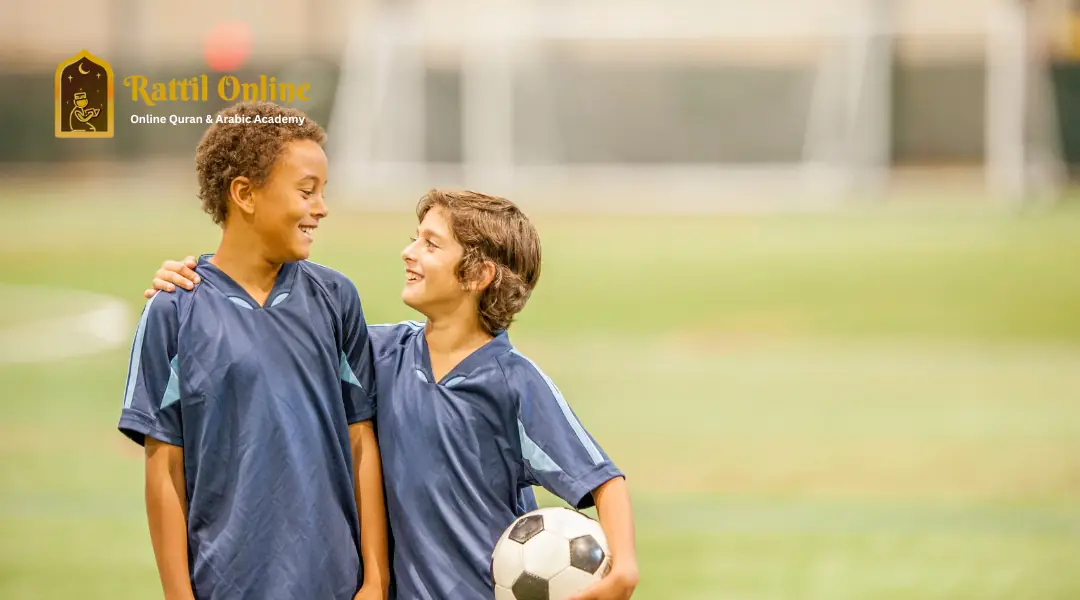
Children often imitate what they see. Their friends can influence the words they use, how they treat others, how they respond to disagreements, and how seriously they take responsibilities. For this reason, friendship is closely connected to islamic manners for kids.
Friends Can Shape Everyday Behavior
A child who spends time with respectful and helpful friends is more likely to experience positive examples of communication and cooperation. Through online islamic classes for kids, children can learn that good manners include speaking kindly, keeping promises, respecting parents and teachers, and avoiding harmful behavior.
Companionship Can Affect Religious Habits
Friends can also affect how children understand things like prayer, reading the Quran, fasting, and other religious actions. Islamic education teaches kids the reasons behind the practices, not just the rules to remember.
The impact of friendship extends to the Day of Judgment.
A righteous friend is a companion whom, when you love them for the sake of Allah, can be a reason for you to receive shade from the heat of the sun on the Day of Resurrection. The Messenger of Allah, peace and blessings be upon him, said: “On the Day of Resurrection, Allah will say: Where are those who loved one another for My sake? Today, I will shade them in My shade, on a day when there will be no shade except My shade.”
What Parents Should Teach Children About Friends
Parents play the first and most important role in helping children understand companionship. Rather than focusing only on who their children should befriend, parents can teach them the qualities of a good Muslim friend.
Teach Children How to Be Good Friends
Children should learn to look for friends who are honest, respectful, kind, trustworthy, and willing to encourage good actions. They should also understand that being a good friend means showing mercy, avoiding gossip, respecting differences, and helping others.
Parents can also teach children that friendship does not mean following someone in everything they do. A child can be kind to a friend while still refusing to participate in something wrong. This is an important lesson in personal responsibility.
Guide Children Through Real-Life Friendship Challenges
Stories from the Prophet’s life ﷺ and simple examples can make these concepts easier to understand. Older children and teenagers may benefit from discussions about peer pressure, social media, bullying, loyalty, and setting healthy boundaries.
Children Need Guidance, Not Fear
Parents should not make their kids scared of having friends. Instead, they can show them how to make good decisions, set limits, say sorry, let go of anger, and ask for help when a friendship starts to hurt. Islamic studies for kids online can help parents by offering lessons that are suited to each child’s age and show how faith relates to everyday actions.
A structured program of online islamic classes for kids can complement these conversations by giving children consistent Islamic guidance.
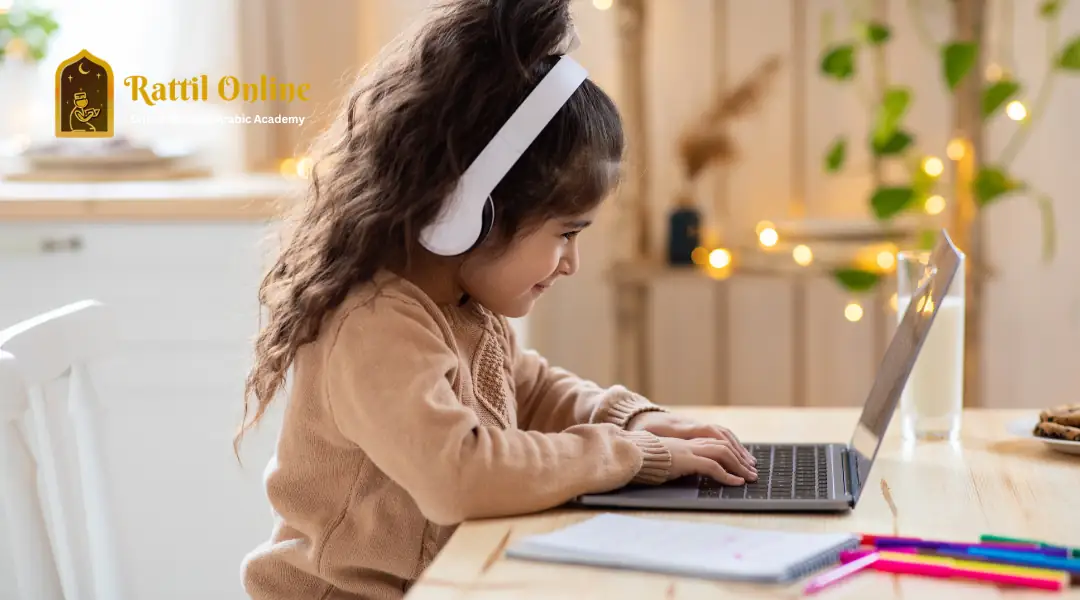
Helping Children Build Good Character With Online Islamic Classes for Kids
Structured Islamic Studies for Growing Minds
Online islamic classes for kids can give children a clear path for learning essential Islamic knowledge. Instead of treating friendship as an isolated topic, the Islamic Studies program at Rattilonline covers essential subjects such as Aqeedah, Fiqh, Hadith, Tafsir, Seerah, and Islamic manners.
Qualified Teachers Who Understand Children
Children need teachers who can explain religious concepts according to their level of understanding. Rattilonline has experienced Islamic teachers who can turn complex topics into age-appropriate discussions, examples, and activities.
The availability of male and female teachers also gives families flexibility when selecting a suitable learning environment.
Flexible Learning for Different Family Schedules
Busy family schedules can make regular religious education challenging. Online islamic classes for kids at Rattil Academy provide flexibility through live and recorded lessons, allowing families to organize learning around their daily routines.
The program can also be tailored according to the child’s prior knowledge and learning goals, whether the student is a beginner or already has some Islamic knowledge.
Progress Tracking and Individual Feedback
Effective Islamic education requires more than attending lessons. Children need opportunities to practice what they learn and receive guidance when they struggle. Our teacher regularly evaluates student progress and considers feedback from parents and students.
What Children Learn in Online Islamic Classes for Kids Beyond Quran Reading
Aqeedah and a Strong Foundation of Faith
A strong foundation in faith can help children understand why Islamic values matter. For this reason Online islamic classes for kids at Rattil Academy help children understand the beliefs that form the foundation of Islam. Aqeedah lessons introduce children to essential Islamic beliefs and Tawheed in an age-appropriate way.
Fiqh and Practical Islamic Life
Fiqh teaches children practical rulings related to purification, prayer, fasting, Zakah, and everyday life. These lessons help children move from theoretical knowledge to practical application. For parents, this is especially valuable because children gradually learn how Islamic guidance can influence their daily routines and decisions.
Seerah and Hadith Through Meaningful Lessons
The Seerah of Prophet Muhammad ﷺ provides children with examples of mercy, patience, forgiveness, honesty, leadership, and compassion. Hadith lessons complement the Seerah by introducing the sayings and actions of the Prophet ﷺ and explaining their relevance.
A Hadith About Friendship, for example, can become an opportunity to discuss how children choose companions, respond to peer pressure, and treat their friends.
Tafsir, Islamic Manners, and Daily Practice
Tafsir and Quranic themes help children understand the messages behind Quranic verses, while Islamic manners lessons teach them how to express those values through everyday actions.
The Online Islamic Studies Program also supports children in learning daily etiquettes, Islamic expressions, and personal conduct from an Islamic perspective. With guidance from qualified teachers, students can gradually develop habits that reflect what they learn.
Conclusion
A Hadith About Friendship provides parents with an excellent starting point for teaching children about companionship, character, and Islamic manners. Children need to understand that friends can influence their choices and that a good Muslim companion encourages kindness, honesty, responsibility, and obedience to Allah.
For parents, the goal is not simply to help children choose better friends. It is to raise children who are good friends themselves—children who show mercy, keep their promises, respect others, avoid harmful behavior, and encourage goodness.
With structured online islamic classes for kids, families can give children the knowledge and practical guidance they need to grow in faith and character.
Book a free Islamic Studies trial for your child.
FAQs
Why is friendship important in Islam?
Friendship is important because companions can influence a person’s behavior, habits, and character.
How can parents teach Islamic manners to children?
Parents can teach islamic manners for kids through daily examples, conversations, stories from the Seerah, Hadith, Quranic lessons, and consistent encouragement. Professional Islamic education can reinforce these lessons.
Are online islamic classes for kids suitable for beginners?
Yes. Rattil Academy’s program can be adapted to a child’s previous knowledge and learning goals.
How do online Islamic classes support parents?
Online islamic classes for kids give parents access to structured lessons, qualified teachers, flexible scheduling, progress tracking, feedback, and recorded classes. This allows parents to reinforce what their children learn at home