The Messenger ﷺ conveyed the message of his Lord and began explaining to people what is contained in the Noble Qur’an. Thus, the purified Sunnah fulfilled this great role: clarifying the meanings and guidance of the Qur’an. However, the role of the purified Sunnah was not limited to this function alone, despite its great importance. Allah Almighty also entrusted it with another significant responsibility: to establish rulings for people independently in matters that were not previously mentioned in the Qur’an.
Through this noble role, the Sunnah contributed to legislation alongside the Qur’an. Therefore, the position of the Sunnah is of great importance, and its mission is significant. It explains the Qur’an, and without it, we would not have been able to properly understand the Qur’an or apply its teachings.
Learning about Islam is a journey that requires guidance, patience, and a reliable source of knowledge. Many Muslims want to understand their religion beyond the basics and ask about types of Hadith in Islam, but they often face a common challenge: finding a clear learning path that explains Islamic teachings in a simple and organized way.
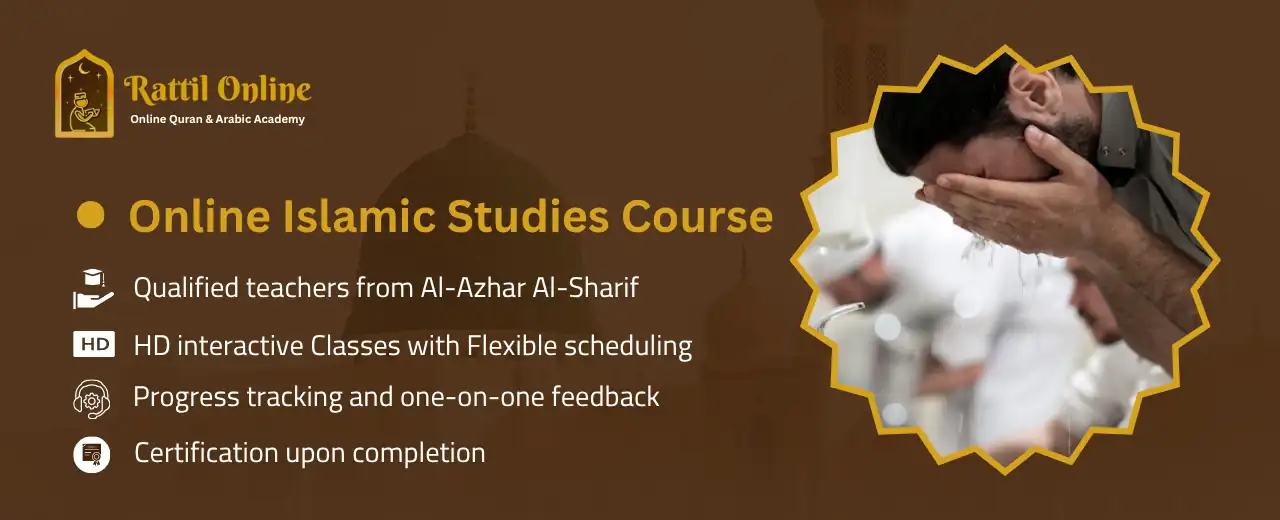
This is where online islamic studies courses provide a practical solution. A structured Islamic Studies Program allows students to learn from qualified teachers, follow organized lessons, and build their knowledge step by step. Through online islamic studies courses, children, adults, and beginners can explore Islamic teachings in a comfortable and accessible way.
Give yourself or your child the opportunity to learn the Quran and Hadith with qualified teachers. Start with a free trial class today.

What Is Hadith in Islam and Why Does It Matter?
Hadith in Islam refers to everything attributed to the Prophet ﷺ, including his words, actions, approvals, and descriptions of his physical and moral characteristics, as well as even his movements and states during wakefulness and sleep.
The Qur’an is the primary source of guidance for Muslims. The Noble Hadith of the Prophet ﷺ is the second source of Islamic legislation and the path to understanding the Noble Qur’an. It explains the meanings of the Qur’an, and Islamic rulings and teachings are derived from it. It also helps Muslims understand how Islamic teachings were practiced in real life.
Muslims are interested in learning Hadith but do not know where to start. They may find different books, lectures, or online resources but struggle to organize the information. This can make Islamic learning feel complicated.
A guided learning experience helps solve this problem. Through islamic studies courses, students can understand the foundations of Hadith in a clear way without being overwhelmed by advanced details. They can learn the role of Sunnah, the importance of Hadith, and how these teachings support a Muslim’s daily life.
Types of Hadith In Islam
Hadith is divided into two categories:
- Prophetic Hadith (Hadith Nabawi)
- Sacred Hadith (Hadith Qudsi).
As for Prophetic Hadith, it has three main types:
- sayings (verbal Hadith)
- actions (action-based Hadith)
- and approvals (approval-based Hadith)
An example of a verbal Hadith is the statement of the Prophet ﷺ:
“Whoever fasts Ramadan with faith and seeking reward from Allah, his previous sins will be forgiven.”
(Agreed upon by Al-Bukhari and Muslim, narrated from Abu Hurairah.)
Start your Arabic learning journey today and unlock a deeper understanding of the Quran and Hadith. Join our free trial class now.
An example of an action-based Hadith is the narration of Humran, the freed servant of Uthman, recorded by Al-Bukhari and Muslim. He reported that Uthman ibn Affan رضي الله عنه called for water for ablution, then performed wudu’: he washed his hands three times, rinsed his mouth and nose, washed his face three times, washed his right hand up to the elbow three times, then his left hand in the same way, wiped his head, and washed his right foot up to the ankles three times, followed by his left foot. Then he said: “I saw the Messenger of Allah ﷺ perform ablution like this ablution of mine…” until the end of the narration.
An example of an approval-based Hadith is what was narrated from Amr ibn Al-As رضي الله عنه. He said that he had a wet dream on a cold night during the expedition of Dhat Al-Salasil, and he feared that taking a full bath would harm him. So he performed tayammum (dry ablution) and led his companions in prayer. They mentioned this to the Prophet ﷺ, and he said: “O Amr, did you lead your companions in prayer while you were in a state of major impurity?”
Amr explained what prevented him from performing ghusl and said: “I heard Allah say: ‘Do not kill yourselves. Indeed, Allah is ever Merciful to you.’” (Qur’an 4:29) The Messenger of Allah ﷺ smiled and did not say anything.
If the term Hadith is used as a synonym for Sunnah, then it also includes a fourth category: the physical and moral characteristics of the Prophet ﷺ.
An example is what was reported in Sahih Ibn Hibban and Musnad Ahmad from Aisha رضي الله عنها. When she was asked about what the Prophet ﷺ used to do at home, she said: “He used to mend his clothing, repair his sandals, and do what men do in their homes.”
As for Sacred Hadith (Hadith Qudsi), it refers to narrations in which the Prophet ﷺ attributes words to Allah Almighty. An example is what was narrated from Abu Hurairah رضي الله عنه that the Prophet ﷺ said:
“Allah the Exalted says: I am as My servant thinks of Me, and I am with him when he remembers Me…” until the end of the narration.
How Learning Hadith Helps Muslims Build a Stronger Islamic Knowledge
Islamic knowledge is not only about collecting information; it is about understanding how faith influences actions, choices, and character. Learning Hadith helps Muslims develop a deeper connection with the example of Prophet Muhammad ﷺ.
The Noble Qur’an is the first source for building the Islamic personality in terms of thought, culture, and beliefs. The Sunnah of the Messenger of Allah ﷺ represents the practical application of what Allah Almighty revealed in the Qur’an, because the primary mission of the Messenger of Allah ﷺ was to convey the message and clarify it.
This highlights the importance of the Prophetic Sunnah. A Muslim cannot do without the Sunnah while studying the Qur’an, because the Qur’an contains matters that require clarification, general statements that need further explanation, and broad rulings that are specified by the Prophetic Sunnah. It also includes matters mentioned in an unrestricted way, which the Sunnah came to define and limit.
Examples of this include the number of units (rak‘ahs) of the prayers and how they are performed, the amounts required for Zakah, the rituals of Hajj, how to recite the Quran and other Islamic teachings that are mentioned in a general form in the Qur’an.
For students who feel lost while studying Islam independently, structured online islamic studies courses offer a better approach. Instead of moving between unrelated sources, learners can follow a curriculum that connects different areas of Islamic studies.
A complete Islamic Studies Program from Rattil Academy introduces important subjects alongside Hadith, including Aqeedah, Fiqh, Tafsir, Seerah, and Islamic manners. This balanced method in our online islamic studies courses helps students build a stronger foundation and understand Islam as a complete way of life.

Learn Hadith Through Online Islamic Studies Courses
Difficulties that face Muslims who want to study Hadith and Sunnah vary between: limited time, lack of access to teachers, or uncertainty about trustworthy resources. Learning alone can sometimes create confusion among online islamic studies courses, especially when students are just beginning.
online islamic studies courses at Rattil Academy offer a solution by bringing structured Islamic education directly to learners wherever they are with these benefits:
Learn Hadith with a Clear and Structured Approach
Students can access lessons, communicate with teachers, and follow a clear plan designed to improve their understanding. A structured learning path through the online islamic studies courses helps students avoid confusion and build their Islamic knowledge step by step.
Understand Hadith Beyond Memorization
Through online islamic studies courses, an online hadith class introduces students to the importance of Hadith in a simple and organized manner. The goal is not only to learn definitions but to understand how Hadith guides a Muslim’s beliefs, worship, and behavior.
A Program Designed for Every Level
A strong Islamic Studies Program is designed for different learners. Whether someone is completely new to Islamic studies or wants to expand their knowledge, the lessons can be adjusted according to their needs and learning goals.
Flexible Learning with Teacher Support
Students can learn through live sessions, recorded lessons, and continuous guidance. This flexibility allows families and individuals to continue their education without needing to change their daily routines.
Build Your Islamic Knowledge Through Online Classes
With online islamic classes, learners can review lessons, ask questions, and improve gradually. This creates a supportive learning environment where students feel comfortable developing their Islamic knowledge.
What Will You Learn About Hadith in an Online Islamic Course?
The Islamic learning program at Rattil Academy does not begin with complicated details. It starts by building a strong foundation and helping students understand the purpose behind what they learn.
In this program, students will explore the basics of Hadith and its connection with Islamic life, including:
Understanding Hadith and Sunnah
Students learn what Hadith means and why the teachings of Prophet Muhammad ﷺ are important for understanding Islam.
The Relationship Between Qur’an and Hadith
Learners discover how Hadith helps explain the practical application of Qur’anic guidance.
Lessons From the Prophet’s Life
Through Seerah and Hadith, learners discover examples of patience, mercy, honesty, and strong character.
Building Daily Islamic Practice
The course connects knowledge with real life by showing how Islamic teachings influence everyday actions.
The Islamic Studies Program also covers other essential areas, including:
- Aqeedah and Islamic beliefs
- Fiqh and practical worship
- Tafsir and understanding Qur’anic meanings
- Seerah of Prophet Muhammad ﷺ
- Islamic manners and daily conduct
For learners who prefer flexible education, an islamic studies online course provides the opportunity to continue learning from home with professional guidance.

Who Should Join This Course?
Rattil Academy believes that Islamic education is valuable at every stage of life. Whether someone is starting their journey or trying to strengthen existing knowledge, structured online islamic studies courses can make learning easier and more meaningful.
Children Learning the Basics of Islam
Children benefit from learning Islamic values early in life. Introducing them to Hadith, Sunnah, and Islamic manners helps them develop positive habits and understand their faith from a young age.
Through online islamic classes, children can learn in an interactive environment with lessons suitable for their age. Parents can help their children build a strong foundation while learning from qualified instructors.
Adults Who Want to Strengthen Their Understanding
Many adults want to improve their Islamic knowledge but struggle to find time for regular study. Flexible islamic classes for adults online allow learners to study according to their schedule.
The program is suitable for adults who want to understand Hadith, improve their practice, and explore important Islamic subjects in a clear way.
Beginners Starting Their Islamic Learning Journey
Beginners in online islamic studies courses often need a clear starting point. Trying to study advanced topics too early can make learning feel difficult. An online islamic course helps beginners build knowledge gradually. Students start with essential concepts and continue developing their understanding step by step.
With teacher support and organized lessons, learners can gain confidence and create a stronger connection with their faith.
Begin Now and Join online Islamic Studies classes with qualified teachers.
Conclusion
Hadith shows believers how to apply Islamic principles in worship, personal behavior, family relationships, and daily interactions. For example, Muslims learn many details about prayer, manners, kindness, and good character through the teachings of the Prophet ﷺ. Hadith gives a practical picture of how Islamic values can be lived every day.
However, many learners struggle to find a reliable and organized way to study Hadith. Random resources and disconnected lessons can make the journey confusing.
Structured online islamic studies courses at Rattil Academy provides the guidance students need. Through qualified teachers, flexible learning options, and a carefully planned curriculum, learners can explore Hadith, Sunnah, and other essential Islamic subjects.
Start your journey of Quran and Islamic learning today. Book your free trial and explore our courses
FAQs
What is Hadith in Islam?
Hadith refers to narrations about the words, actions, and teachings of Prophet Muhammad ﷺ. It helps Muslims understand how Islamic guidance is applied in daily life.
Is online hadith course suitable for beginners?
Yes. The program at Rattil Academy is designed for beginners, children, and adults who want to learn Islamic studies step by step.
What subjects are included in the Islamic Studies Program?
The program covers Hadith, Sunnah, Aqeedah, Fiqh, Tafsir, Seerah, and Islamic manners to provide a complete foundation.
Can I learn Hadith through online classes?
Yes. Rattil Academy provides flexible learning with teacher guidance and structured lessons.
Do I need previous Islamic knowledge before joining?
No. The course is suitable for different levels and helps learners start from the basics.