

Why is the Quran teaching for kids important? Parents’ focus is always on their children and how to correct their behavior and make them successful people in their lives. A child with these qualities can only be obtained by learning the principles of the Islamic religion.
Therefore, Quran teaching for kids is considered the first step in shaping a child’s personality, and as it has been said, “Teach your child the Quran, and the Quran will teach him everything.”
Practical Methods for Quran Teaching for Kids
Quran teaching for kids requires patience, consistency, and creative methods that make learning enjoyable. Children absorb information best when lessons are interactive, engaging, and suited to their age. Using practical strategies ensures that they not only memorize the Quran but also understand its teachings and develop a lifelong connection with Allah’s word.
Here are effective practical methods for Quran teaching for kids:
Repetition: Repeating verses multiple times helps children retain information and improves memorization. Encourage them to recite after you to build confidence and fluency.
Listening to Recitations: Listening to professional Quran reciters (Qaris) introduces children to correct pronunciation and Tajweed. Audio resources or online Quran classes for kids are excellent tools for this purpose.
Reading Aloud: Encourage your child to read aloud daily. This practice strengthens pronunciation, enhances memory, and helps them become familiar with the rhythm of Quranic verses.
Audio Recording: Recording your child’s recitation allows them to hear their own progress, identify mistakes, and enjoy a sense of achievement when improvement is noticed.
Flashcards and Visual Aids: Use colorful Arabic alphabet flashcards, charts, and illustrated Quranic stories. Visual aids help children recognize letters, understand meanings, and associate concepts with everyday life.
Interactive Learning Apps: Educational Quran apps for kids provide fun, interactive ways to practice reading, memorization, and Tajweed rules.
Games and Competitions: Friendly competitions, quizzes, and rewards can motivate children to memorize verses and improve their recitation skills.
Storytelling: Relate Quranic stories to life lessons, making the verses meaningful and memorable.
By combining these practical methods, parents and teachers can create a positive, engaging environment that encourages consistent Quran learning. Structured repetition, enjoyable activities, and modern learning tools ensure that Quran teaching for kids is effective, fun, and spiritually enriching.
Making Quran Learning Fun and Engaging
Quran teaching for kids becomes more effective when lessons are enjoyable, interactive, and tailored to the child’s interests. Engaging children in learning helps them develop a love for the Quran, improves memorization, and ensures they retain the values and teachings of Islam. Incorporating fun methods alongside structured lessons creates a positive learning experience and strengthens their connection with the Holy Quran.
Here are effective ways to make Quran learning fun and engaging for kids:
Start with Short Surahs: Begin with shorter chapters from Juz Amma. Short surahs are easier to memorize and help children feel a sense of accomplishment early on.
Connect Verses to Real Life: Explain the meanings of verses using examples from daily life, such as kindness, nature, and helping others. This makes the lessons relatable and easier to understand.
Use Interactive Games: Turn memorization exercises into games. Matching verses, letter puzzles, or Tajweed challenges make learning enjoyable and stimulate curiosity.
Storytelling: Share stories of prophets and lessons from the Quran. Children retain concepts better when they are presented as narratives.
Educational Apps and Videos: Use child-friendly apps and animated videos for learning Arabic letters, Tajweed, and Quranic meanings. These tools reinforce learning through visual and auditory engagement.
Praise and Rewards: Offer positive reinforcement for progress. Simple rewards or verbal praise encourage children to continue practicing and developing their recitation skills.
Group Learning and Competitions: Organize friendly competitions or group sessions online or in person. Healthy peer interaction motivates children to learn and perform better.
Recitation Practice: Encourage children to recite verses aloud daily, either individually or with family members. This boosts confidence and improves pronunciation.
By integrating these strategies, Quran teaching for kids becomes not only educational but also inspiring and entertaining. A fun and supportive environment nurtures a lasting love for the Quran and helps children develop both spiritually and intellectually.
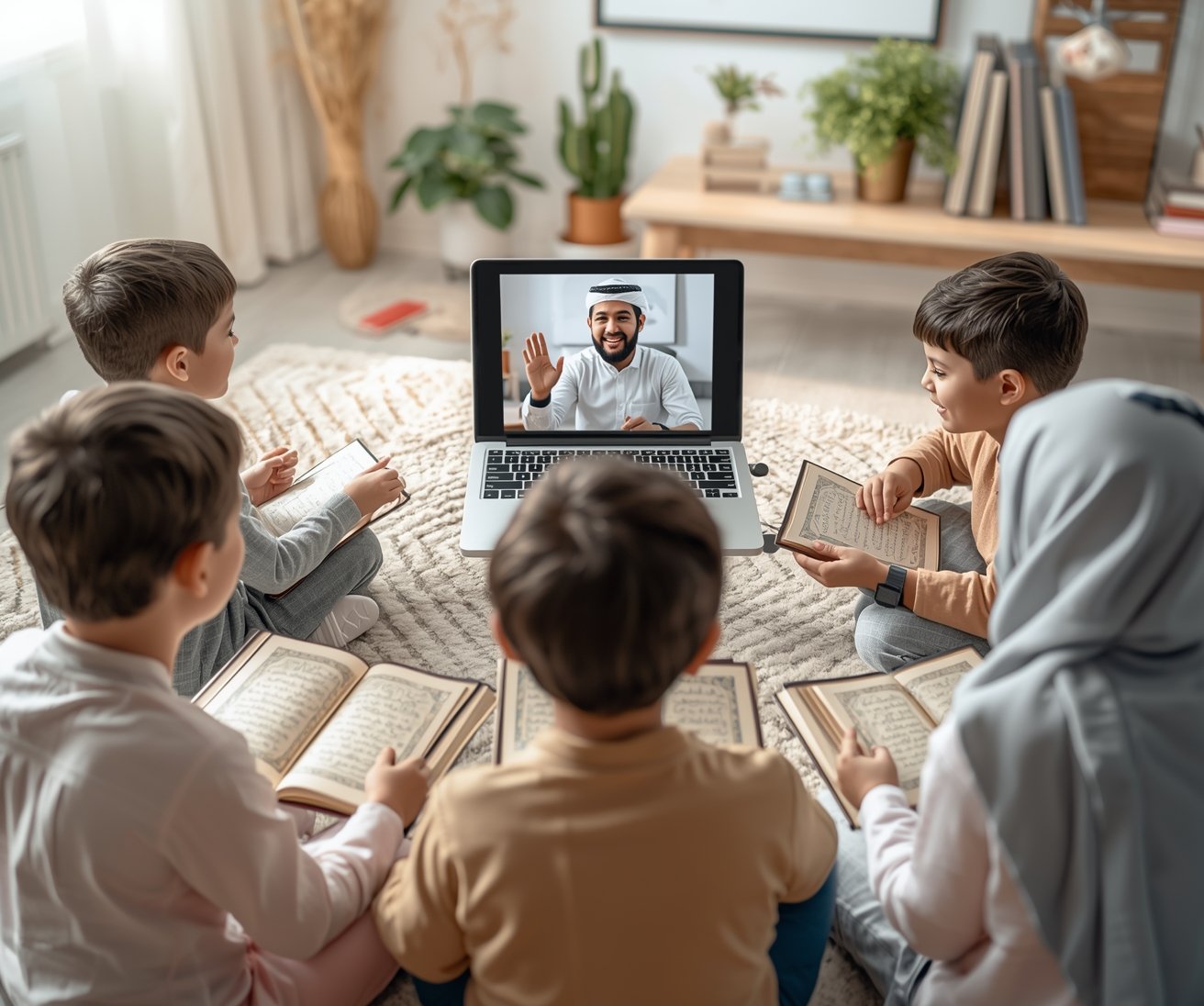
Step-by-Step Approach to Quran Teaching for Kids
Quran teaching for kids is most effective when approached in a structured and gradual manner. A step-by-step approach ensures that children build a strong foundation in reading, memorization, and understanding of the Holy Quran while keeping lessons engaging and age-appropriate. Using methods suitable for beginners, intermediate learners, and advanced students helps foster long-term retention and a love for Quranic learning.
Here is a practical step-by-step approach for Quran teaching for kids:
Step 1: Learn the Arabic Alphabet
Start with teaching the 28 Arabic letters using colorful charts, flashcards, or interactive apps. Familiarity with the Arabic alphabet is essential for correct recitation and sets the groundwork for Quran reading.Step 2: Master Short Vowels (Harakat) and Sounds
Introduce short vowels (Fatha, Kasra, Damma) and basic pronunciation rules. Practicing the correct sounds early prevents errors in Tajweed and improves reading fluency.Step 3: Connecting Letters and Simple Words
Teach children how to join letters to form simple words. Begin with three-letter words with short vowels. This helps students transition from recognizing letters to actual reading.Step 4: Begin Reading Short Surahs
Start with short surahs from Juz Amma, which are easier to memorize and encourage confidence. Reciting short surahs regularly develops consistency in practice.Step 5: Introduce Basic Tajweed Rules
Once basic reading is established, introduce simplified Tajweed rules gradually. Focus on practical application, such as elongation of vowels (Madd), nasal sounds (Ghunnah), and articulation points (Makharij), to ensure correct recitation.Step 6: Encourage Repetition and Memorization (Hifz)
Use repetition and chunking methods to help children memorize verses or surahs. Incorporate recitation into daily prayers to reinforce learning naturally.Step 7: Use Stories and Real-Life Examples
Enhance understanding by connecting Quranic verses to stories of prophets and everyday situations. This approach improves comprehension and moral development.Step 8: Provide Consistent Feedback and Motivation
Monitor progress regularly and provide gentle corrections. Positive reinforcement, rewards, and encouragement help children stay motivated and engaged.
By following this structured, step-by-step approach, Quran teaching for kids becomes organized, efficient, and enjoyable. Integrating interactive tools, storytelling, and practical examples ensures that children not only memorize the Quran but also understand its teachings, develop proper pronunciation, and cultivate a lifelong connection with the Holy Quran.
Choosing the Right Quran Teacher for Kids
Finding the right Quran teacher for kids is crucial to ensuring a successful and enjoyable learning experience. Proper Quran teaching for kids goes beyond simple memorization—it focuses on correct pronunciation, Tajweed rules, comprehension, and fostering a deep love for the Holy Quran. Choosing an experienced and qualified teacher helps your child build a strong foundation in Islamic knowledge and develop a lifelong connection with the Quran.
When selecting a Quran teacher for your child, consider the following key factors:
Qualified and Certified Teachers
Ensure the teacher has proper certification in Quran teaching, with expertise in Tajweed, Hifz (memorization), and Islamic studies. At Rattil Academy, all teachers are graduates of renowned Islamic institutions and have memorized the Holy Quran.Experience with Children
A teacher experienced in Quran teaching for kids knows how to manage attention spans, motivate learners, and create engaging lessons suitable for various ages. Rattil Academy’s instructors specialize in child-friendly teaching methods to make Quran learning interactive and enjoyable.
Read More: Quran for Kids Online
Patience and Encouragement
Children learn best in a positive environment. Teachers who are patient, understanding, and encouraging help kids gain confidence and feel excited about learning the Quran. Rattil Academy emphasizes supportive teaching, ensuring each child progresses at their own pace.Focus on Tajweed and Correct Pronunciation
Accurate recitation is a fundamental part of Quran education. Choose a teacher who emphasizes proper articulation points (Makharij) and Tajweed rules to prevent mistakes from forming early habits. Rattil Academy provides structured Tajweed training for every level.Interactive and Engaging Lessons
A dynamic teacher uses visual aids, storytelling, games, and digital tools to make lessons fun and memorable. Rattil Academy integrates modern teaching methods with traditional Islamic learning to engage children fully.Regular Monitoring and Feedback
Progress tracking ensures children stay on course with memorization and comprehension. At Rattil Academy, teachers continuously evaluate students’ performance and provide personalized feedback to support steady improvement.
Choosing the right Quran teacher for kids is an investment in your child’s spiritual and moral development. With Rattil Academy, parents can rest assured that their children are receiving professional, interactive, and enjoyable Quran teaching tailored to their individual needs. Start your child’s journey today and give them the gift of a lifelong connection with the Holy Quran.
Benefits of Quran Teaching for Kids
Quran teaching for kids offers more than just memorization of verses; it plays a vital role in shaping a child’s character, morals, and overall development. By introducing children to the teachings of the Holy Quran early in life, parents can ensure they grow up with a strong sense of faith, discipline, and understanding of Islamic values. Rattil Academy provides professional Quran teaching for kids, combining traditional Islamic knowledge with engaging modern teaching methods to maximize learning outcomes.

Here are the key benefits of Quran teaching for kids:
Spiritual Growth and Connection
Early Quran education nurtures a deep spiritual connection, allowing children to understand Allah’s guidance and develop love and respect for the Quran. This foundation helps children live a life guided by faith, compassion, and integrity.Enhanced Memorization and Cognitive Skills
Memorizing Quranic verses improves concentration, memory retention, and cognitive abilities. Structured lessons at Rattil Academy encourage children to memorize verses effectively using repetition, interactive activities, and age-appropriate techniques.Correct Pronunciation and Tajweed Skills
Proper Quran teaching for kids ensures accurate recitation by focusing on Tajweed rules and correct articulation of Arabic letters. Rattil Academy’s certified teachers guide children step by step, preventing early mistakes and building a strong recitation foundation.Moral and Ethical Development
Learning the Quran instills values such as honesty, patience, kindness, and respect. Children understand the importance of good behavior and ethical conduct in daily life, shaping them into responsible and well-rounded individuals.Improved Arabic Language Skills
Quran teaching for kids enhances their understanding of Arabic vocabulary, grammar, and sentence structure. Rattil Academy integrates language learning into Quran lessons, helping children comprehend the meaning of the verses while improving literacy skills.Boosts Confidence and Discipline
Regular lessons, structured practice, and positive reinforcement foster self-discipline and confidence. Children gain pride in their achievements and become motivated learners.Engaging and Interactive Learning Environment
Rattil Academy ensures that Quran teaching for kids is fun and interactive through games, storytelling, digital tools, and personalized feedback, keeping children engaged and motivated.
Investing in professional Quran teaching for kids lays a strong foundation for both spiritual and personal development. With Rattil Academy, parents can ensure their children receive expert guidance, enjoyable lessons, and a lifelong connection with the Holy Quran. Start your child’s journey with Rattil Academy today and give them the gift of faith, knowledge, and character.
Conclusion
Quran teaching for kids lays the foundation for spiritual growth, moral development, and strong Islamic values. By engaging in structured lessons, children improve their Quran recitation, Tajweed, and memorization skills while developing a love for Allah’s words. Interactive methods, personalized guidance, and supportive teachers make learning enjoyable and effective. Choosing professional Quran teaching for kids ensures a lifelong connection with the Holy Quran, nurturing faith, discipline, and intellectual growth in a positive and inspiring environment.
FAQs About Quran Teaching for Kids
Children can begin informal Quran lessons as early as 2-4 years old, with structured learning around ages 5-7 for effective recitation and memorization.
Through repetition, listening to skilled reciters, interactive activities, and positive reinforcement, children grasp Quranic principles faster.
Rattil Academy offers certified teachers, customized lessons, Tajweed training, and engaging methods to ensure children develop a strong connection with the Holy Quran.What is the best age to start Quran teaching for kids?
How can kids learn Quran effectively?
Why choose Rattil Academy for Quran teaching for kids?
